HOW HIGH DO PRIVATE JETS FLY?
Written By Dylan Anderson | 09.06.24
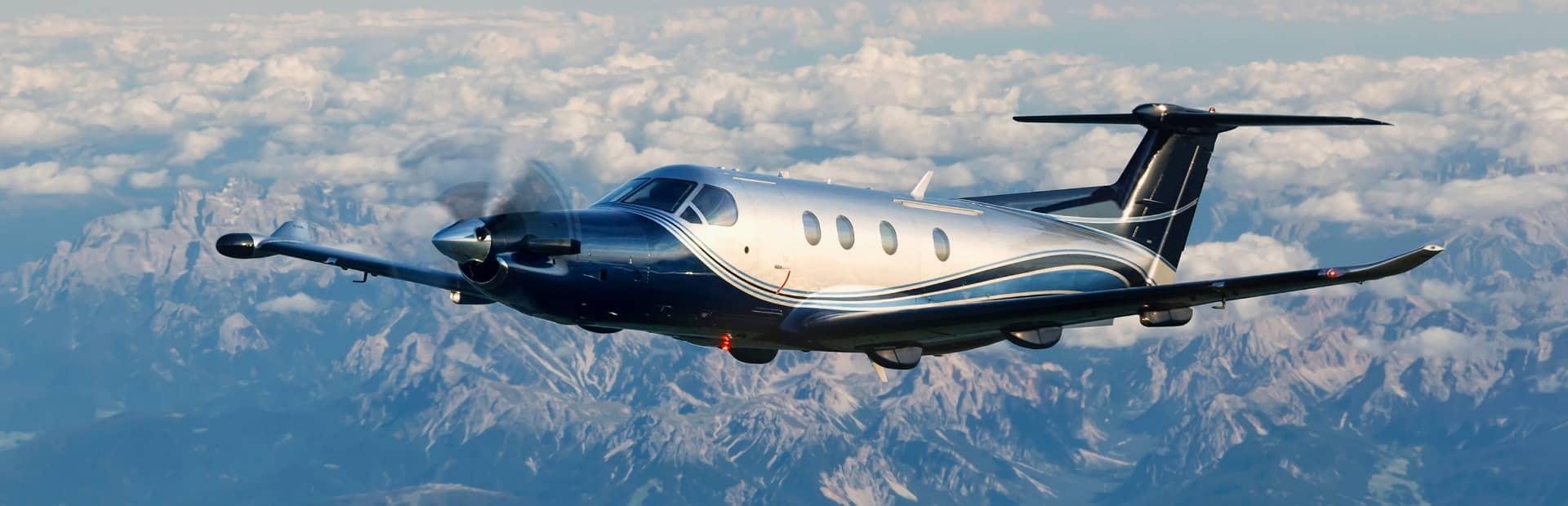
Private jets are known for their luxury, speed, and convenience, but one key aspect that often sets them apart from commercial airliners is the altitude at which they fly. Private jets generally cruise at higher altitudes than commercial flights, offering distinct advantages in terms of safety, efficiency, and overall travel experience. In this blog, we’ll explore the typical cruising altitudes for private jets, why they fly higher, and the benefits that come with it.
Typical Altitudes for Private Jets
Private jets typically cruise at altitudes between 35,000 and 45,000 feet, although some can fly even higher depending on the aircraft and flight conditions. In contrast, commercial airliners usually operate between 30,000 and 40,000 feet. The ability of private jets to fly at these higher altitudes is largely due to their advanced design and powerful engines, which allow them to climb rapidly and maintain stable flight in thinner air.
Technological and regulatory factors are crucial in determining these altitude ranges. Private jets are designed to handle the thinner atmosphere at high altitudes, which reduces drag and allows for more efficient fuel consumption. Additionally, aviation authorities like the Federal Aviation Administration (FAA) regulate the maximum altitude an aircraft can fly, ensuring that private jets adhere to strict safety standards while operating at these heights.
Advantages of Higher Altitudes for Private Jets
Flying at higher altitudes provides private jets with several distinct advantages that enhance the overall flying experience. These include better fuel efficiency, smoother flights, and increased safety.
Private jets often opt for higher cruising altitudes to avoid the congestion of commercial flight paths. At these heights, the air traffic is significantly lighter, reducing the likelihood of encountering other aircraft and minimizing delays. This allows for more direct flight routes, saving both time and fuel. Additionally, the thinner air at higher altitudes means less turbulence, resulting in a smoother and more comfortable journey for passengers.
Another key benefit of flying at higher altitudes is improved fuel efficiency. The reduced air resistance at these heights allows jets to travel faster and use less fuel, which not only cuts down on costs but also reduces the environmental impact of each flight. This can translate into substantial fuel savings and lower operational costs for long-distance flights.
Key Benefits of Flying at Higher Altitudes
Avoid Air Traffic
By cruising at higher altitudes, private jets avoid the congested airspaces where commercial airliners typically operate. This significantly reduces the chances of encountering other aircraft, leading to fewer delays and a more efficient journey. The ability to choose more direct flight paths also contributes to a faster and smoother travel experience. Moreover, with less competition for altitude, air traffic control can often grant private jets more flexibility in routing, further enhancing the efficiency and predictability of the flight.
Avoiding Weather Events
Flying at higher altitudes allows private jets to bypass adverse weather conditions, such as storms and turbulence, that often affect lower-flying aircraft. This results in a more comfortable and reliable flight, with fewer disruptions and delays due to weather. High-altitude flight paths also provide pilots with greater visibility of approaching weather systems, allowing for proactive adjustments to avoid potential disturbances. This capability not only enhances passenger comfort but also ensures a more consistent and pleasant travel experience.
Optimized Fuel Usage
The reduced air resistance at higher altitudes allows private jets to operate more efficiently. Jets consume less fuel while maintaining higher speeds, making flights more cost-effective and environmentally friendly. This optimization is particularly beneficial on long-haul flights, where fuel savings can be significant. Additionally, optimized fuel usage contributes to a reduced carbon footprint, aligning with the growing demand for more sustainable travel options without compromising on luxury or speed.
Faster Cruising Speeds
With less air resistance and fewer aircraft in the surrounding airspace, private jets can maintain faster cruising speeds at higher altitudes. This allows passengers to reach their destinations more quickly, making private jet travel ideal for those who value time efficiency. The ability to cruise at these higher speeds not only shortens travel time but also offers more opportunities to make tight connections or attend time-sensitive events, further enhancing the appeal of private aviation.
Emergency Landings
In the event of an emergency, flying at higher altitudes provides pilots with more time to respond and make necessary adjustments. The additional altitude offers a longer descent period, allowing pilots to manage emergencies more effectively and increasing the likelihood of a safe landing. This extended window of time is critical for troubleshooting and executing contingency plans, giving pilots greater control over the situation. Additionally, the extra altitude can expand the range of available emergency landing sites, offering more options for a safe and timely descent.
Safety and Regulatory Considerations at High Altitudes
Safety is paramount in aviation, and flying at higher altitudes involves specific safety measures and regulatory compliance. Private jets are equipped with advanced safety systems designed to operate in the thin atmosphere of high altitudes, including pressurization controls, oxygen systems, and state-of-the-art avionics.
Pilots of private jets undergo specialized training to operate at these altitudes, ensuring they are fully prepared to handle the unique demands of high-altitude flight. This includes understanding the physiological effects on passengers and mastering the specific techniques required for safe operations. Additionally, private jets are subject to rigorous maintenance standards to ensure they remain in top condition for high-altitude flights.
Maximizing the Benefits of High-Altitude Travel
The advantages of flying at higher altitudes—enhanced safety, greater efficiency, and a superior level of comfort—are undeniable. These benefits not only make private jet travel more appealing but also elevate the entire travel experience to a level of luxury and convenience that commercial flights simply cannot match.
Jet Agency goes beyond just offering access to high-altitude travel; we redefine it with our innovative fixed-rate membership model. With Jet Agency, you can enjoy all the benefits of flying higher—without the worry of hidden fees, unpredictable costs, or blackout dates. Whether you're flying for business or leisure, our membership ensures you have access to top-tier aircraft, guaranteed availability, and the assurance of no additional charges, even during peak periods.
Choose Jet Agency and take your travel to new heights—literally and figuratively. Explore our membership options today and discover how we can transform your travel experience into something truly extraordinary.

CURIOUS ABOUT JET AGENCY?
Please let us know a little bit about you, and one of our experienced membership directors will be in touch shortly to help personalize a membership for you.