DO PRIVATE JET TIRES HAVE AIR IN THEM? EXPLORING LESSER-KNOWN FACTS ABOUT PRIVATE AVIATION
Written By Dylan Anderson | 08.23.24
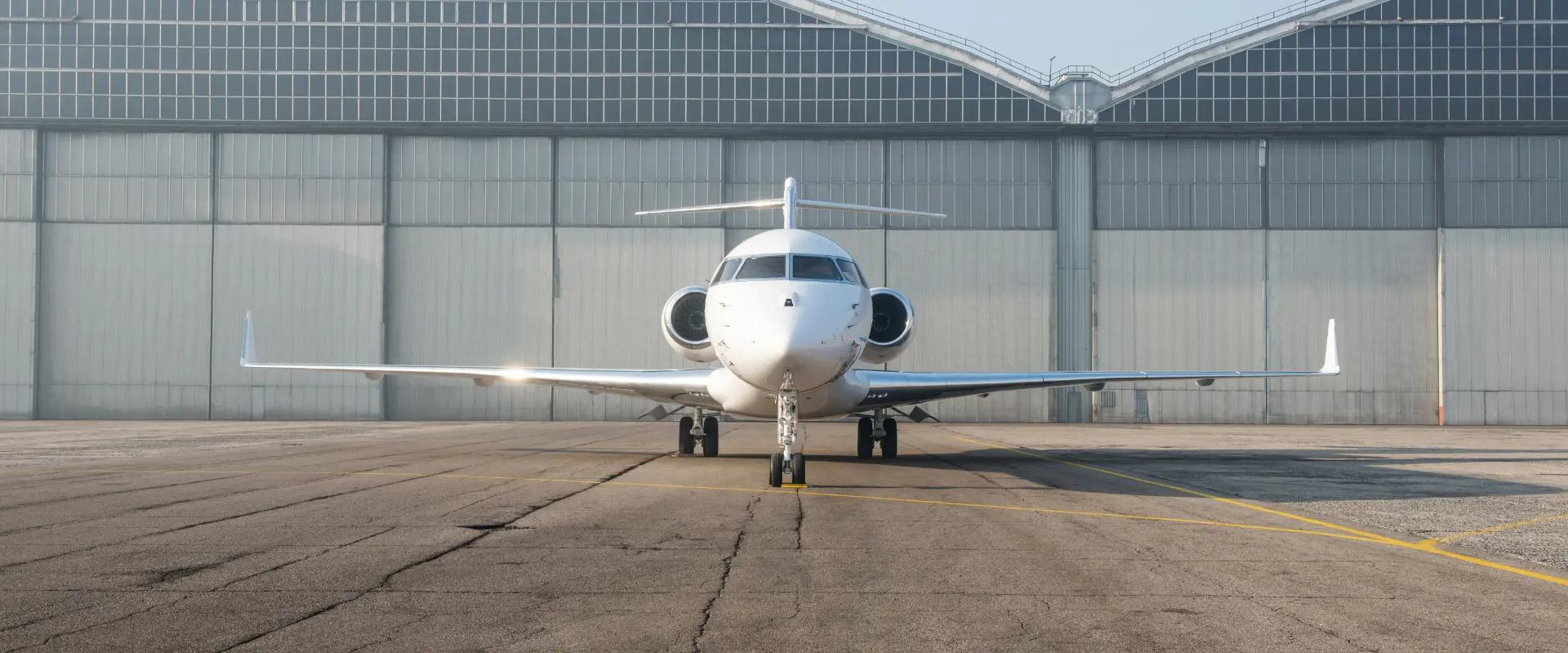
When most people think of private jet travel, they envision luxury, speed, and convenience. But beneath the surface of this experience lies a world of fascinating technical details that few are aware of. One such detail that might surprise you is the nature of the tires on private jets. Have you ever wondered, "Do private jet tires have air in them?" The answer, like many aspects of private aviation, is more complex than you might think.
At Jet Agency, we pride ourselves on not only providing exceptional service but also on being a trusted source of knowledge in the world of private aviation. Whether you have a question about the technical aspects of jet travel or are curious about the benefits of our fixed-rate membership, our team of experts is always ready to provide clear, informative answers. We're here to ensure that every aspect of your private jet experience is understood and tailored to your needs.
Do Private Jet Tires Have Air in Them?
The short answer is no, private jet tires don’t contain regular air. Instead, they are filled with nitrogen, a choice that’s rooted in both safety and performance.
Explanation of Aircraft Tires:
Aircraft tires, including those on private jets, are designed to withstand extreme conditions. Unlike car tires, which typically operate under predictable conditions, aircraft tires must endure the immense forces of takeoff, landing, and the varying temperatures and pressures encountered during flight. These tires are crafted from durable, heat-resistant materials that can handle the stress of high-speed landings and the weight of a fully loaded aircraft.
How Nitrogen Benefits Private Jets:
Nitrogen is used in place of regular air in aircraft tires primarily because of its stability under varying temperatures. Regular air contains moisture and other impurities, which can cause fluctuations in tire pressure when subjected to the intense heat generated during takeoff and landing. Nitrogen, being a dry gas, significantly reduces the risk of these pressure changes, ensuring a more consistent and reliable tire performance.
Additionally, nitrogen's inert properties minimize the risk of oxidation, which can weaken the tire over time. This not only enhances the safety of the flight but also extends the lifespan of the tires. By preventing potential blowouts and ensuring optimal performance, nitrogen inflation plays a critical role in maintaining the safety and reliability of private jets.
Do Private Jets Use Special Fuel?
Fuel is another aspect where private jets differ from other vehicles. If you’ve ever wondered whether private jets run on the same fuel as commercial planes or even your car, the answer is a definitive no.
Overview of Jet Fuel:
Private jets primarily use Jet-A or Jet-A1 fuel, both of which are types of kerosene-based fuel specifically formulated for aircraft. This fuel is designed to provide high energy efficiency and consistent performance at the high altitudes and varying conditions encountered during flight. Unlike automotive fuel, jet fuel is much more energy-dense, enabling private jets to cover long distances at high speeds without the need for frequent refueling.
Jet-A and Jet-A1 are nearly identical, with the primary difference being their freezing points. Jet-A1, which is more commonly used internationally, has a lower freezing point, making it suitable for flights in colder regions. This ensures that the fuel remains stable and effective even in the most extreme conditions.
Environmental Considerations:
While jet fuel is essential for the performance of private jets, it’s also a topic of environmental concern. The aviation industry is actively working on developing more sustainable fuel options, including biofuels and synthetic fuels, to reduce the carbon footprint of air travel. Though this shift is still in its early stages, it reflects the industry’s commitment to balancing performance with environmental responsibility.
Can Private Jets Fly in Any Weather?
Weather conditions are a significant factor in any flight, and private jets are equipped to handle a wide range of scenarios. However, just because they’re designed for performance doesn’t mean they’re invincible.
Weather Challenges and Jet Capabilities:
Private jets are built with advanced technology that allows them to fly in various weather conditions. Modern avionics systems provide pilots with real-time weather data, helping them navigate around storms, turbulence, and other atmospheric challenges. Additionally, private jets are equipped with sophisticated de-icing systems that prevent the buildup of ice on the wings and other critical surfaces, which could otherwise affect the aircraft’s aerodynamics.
The design of private jets also plays a crucial role in their ability to handle different weather conditions. Many private jets are capable of flying at higher altitudes than commercial aircraft, allowing them to avoid most weather-related issues altogether.
Limitations and Safety Protocols:
However, there are still limitations. Severe weather events, such as hurricanes or extreme thunderstorms, can impose restrictions even on private jets. In such cases, the priority is always passenger safety, and flights may be delayed or rerouted to ensure this.
Safety protocols are strictly followed, with pilots and ground crews working closely to assess weather conditions before every flight. This ensures that private jet travel remains safe, even when the weather is less than ideal.
Do Private Jets Have Parachutes?
The idea of a parachute on an aircraft might seem logical at first glance, but when it comes to private jets, the reality is quite different.
Safety Measures on Private Jets:
Unlike some smaller aircraft, private jets do not typically come equipped with parachutes. The primary reason for this is the size and speed of these aircraft. Deploying a parachute on a large, fast-moving jet would be incredibly complex and risky. Instead, private jets rely on other, more effective safety measures.
Private jets are equipped with advanced avionics systems that provide pilots with crucial information about the aircraft’s performance and the surrounding environment. These systems include collision avoidance technology, terrain awareness, and automated emergency protocols that help prevent dangerous situations before they occur.
Alternative Safety Mechanisms:
Beyond technology, private jet safety is also ensured through rigorous maintenance schedules and strict regulatory oversight. Every private jet undergoes regular inspections and maintenance to ensure it remains in top condition. Additionally, pilots are highly trained and must adhere to strict operating procedures, further enhancing the safety of every flight.
In essence, while parachutes might sound appealing, the sophisticated safety measures in place on private jets are far more effective in ensuring a safe journey.
How Do Private Jets Stay Clean?
Cleanliness is a hallmark of luxury, and private jets are no exception. But keeping these aircraft spotless involves more than just a quick wipe-down.
Cleaning and Maintenance Practices:
Private jets undergo thorough cleaning both before and after each flight. This includes cleaning the interior, such as the seats, carpets, and surfaces, as well as the exterior of the aircraft. Special attention is paid to areas that come into frequent contact with passengers, ensuring that the cabin remains not only clean but also hygienic.
Exterior cleaning is equally important, as the jet’s surface can accumulate dirt, dust, and other debris during flight. This is not just a matter of appearance; keeping the exterior clean helps maintain the aircraft’s aerodynamic efficiency and overall performance.
Importance of Hygiene and Appearance:
For high-end clientele, the cleanliness of a private jet is a key part of the luxury experience. A spotless cabin reflects the attention to detail that clients expect, enhancing their comfort and satisfaction. Moreover, maintaining a clean and well-kept aircraft is essential for preserving the value of the jet and ensuring it meets the high standards of private aviation.
Unlocking the Secrets of Private Aviation with Jet Agency
Private aviation is full of fascinating details that often go unnoticed, from the nitrogen-filled tires that ensure safety to the specialized fuel that powers these remarkable machines. While many people focus on the luxury and convenience of private jet travel, it’s the technical intricacies that make this mode of transport both reliable and extraordinary.
At Jet Agency, we believe that understanding these details is key to truly appreciating the benefits of private jet travel. Our knowledgeable team is dedicated to answering any questions you might have, whether about aviation technology or the unique advantages of our membership model. We’re committed to making your private aviation experience seamless, luxurious, and fully informed.
If you're ready to explore the world of private jet travel or learn more about how our fixed-rate membership can enhance your journeys, we invite you to reach out to us. Discover how Jet Agency can provide not only exceptional service but also the answers and insights you need to elevate your travel experience.

CURIOUS ABOUT JET AGENCY?
Please let us know a little bit about you, and one of our experienced membership directors will be in touch shortly to help personalize a membership for you.